

The Future of Industrial Automation: 2026 and Beyond
Author
Ahmed Zubayer
Exploring the intersection of AI-driven analytics and traditional PLC systems. How the next generation of factories will think for themselves.
In the rapidly evolving landscape of industrial automation, 2026 marks a pivotal turning point. We are no longer just talking about "smart" machines; we are witnessing the birth of the Cognitive Factory. This paradigm shift is driven by the seamless integration of Artificial Intelligence (AI) directly into the Edge, bypassing the latency issues that once plagued cloud-only solutions.
The Edge Intelligence Revolution
Traditional PLC systems are being augmented with neural processing units (NPUs) that allow for real-time decision making at the sensor level. This means a vibration sensor doesn't just report data—it predicts a bearing failure three weeks before it happens and automatically adjusts the machine's torque to extend its life.
Traceability and the ISO 17025 Standard
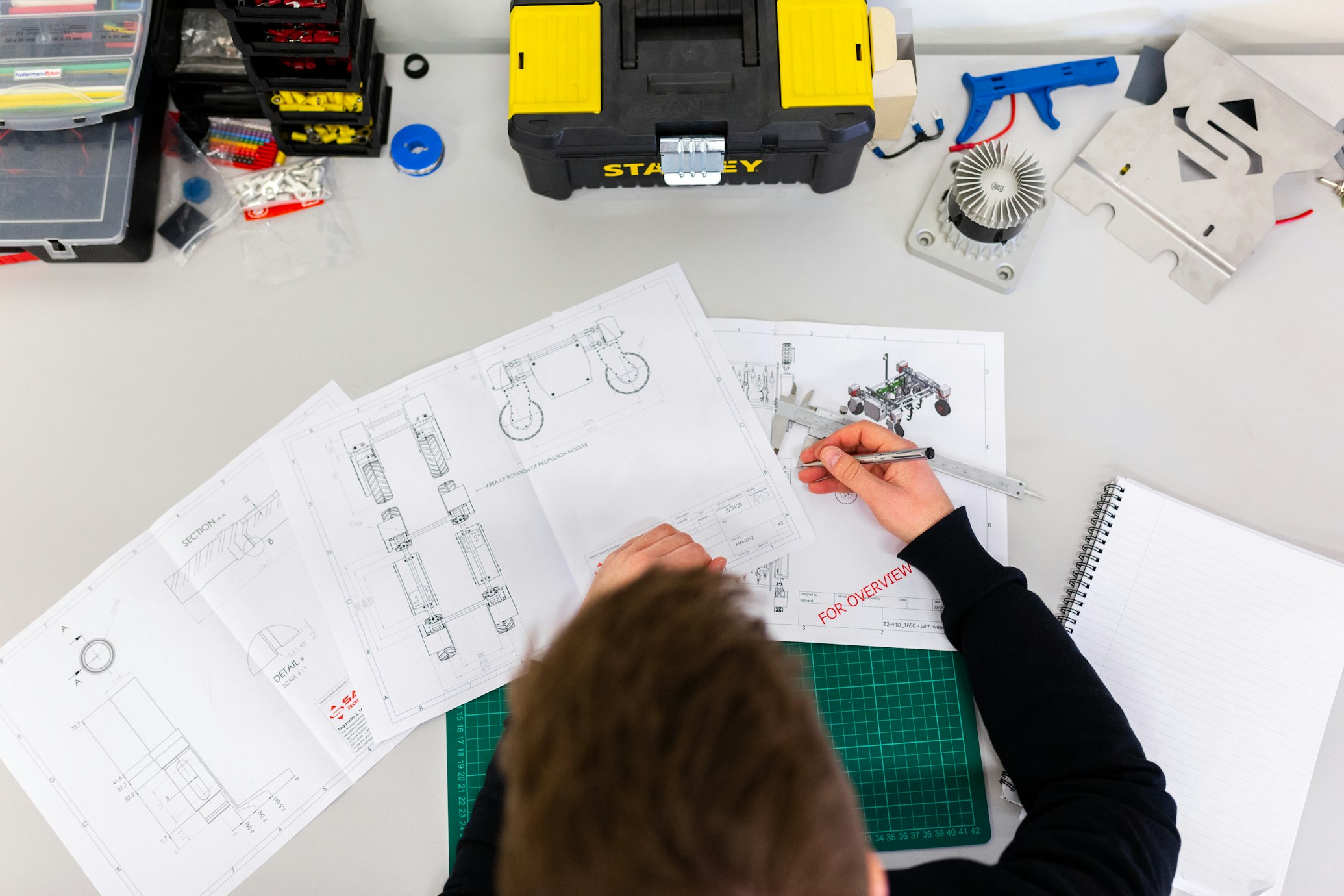
As we rely more on automated data, the integrity of that data becomes the cornerstone of operational safety. This is where PIC's commitment to ISO 17025 compliant calibration provides the necessary foundation. Without precise calibration, the most advanced AI is merely guessing.
"The future of manufacturing isn't just about speed; it's about the absolute certainty of every data point within the ecosystem."
Sustainable Automation
Energy efficiency is no longer an afterthought. Modern SCADA systems now include "Energy Shadows"—digital twins that simulate power consumption in real-time. By optimizing valve timings and pump speeds through intelligent PID loops, we've seen facilities reduce their carbon footprint by up to 18% without sacrificing throughput.
Ahmed Zubayer
Chief Engineering Officer
Specializing in high-precision industrial instrumentation and automation, Ahmed leads the technical implementation of complex systems for global industrial leaders with over 15 years of field expertise.